The moment it connects, MCP germinates into UI — one spore, two surfaces.
An MCP server is built as an interface for AI. AppPlayer opens that same surface to people too — tools become buttons, resources become screens, prompts become guides. With AI you're assisted; without it, still solid. All on one open foundation: FlowOS.
Makemind isn't a single app. It's a constellation of surfaces — a player, a knowledge brain, a workbench, a magazine, a guild, a trust gate. Each a different door to the same idea, and every one of them stands on the same open ground: FlowOS.
Everything above runs on one open ground. FlowOS is the AI OS beneath the whole ecosystem — 46 open-source components under MIT. It's the DNA every spore germinates by: embed it without writing code, and things connect to each other and divide roles on their own. From the smallest MCP server to the full control plane of AppPlayer, it all stands here.
In the AI age, domain experts come first — not engineers. Studio is a free, extensible desk: built-in tools for apps, knowledge, ops, and anything you bring in. Install, build, share.
AppPlayer is split into four tiers, so you only pay for what you actually need. Standard is fully open source — fork it, ship it. Pro is free, fully hosted. Standalone and Custom are for organizations that need their own runtime.
AI is no longer a tool. It is an environment. And an environment cannot be owned by a single company.
So we don't build a closed app store. We build an open foundation — FlowOS — where MCP servers, bundles, knowledge tools, and content all run together, no matter who made them. The moment a thing connects it comes alive, and the surface AI reads, people see too.
The next decade will not be won by the platform that locks the most behavior in. It will be carried by the one that lets the most people step onto the stage and play.
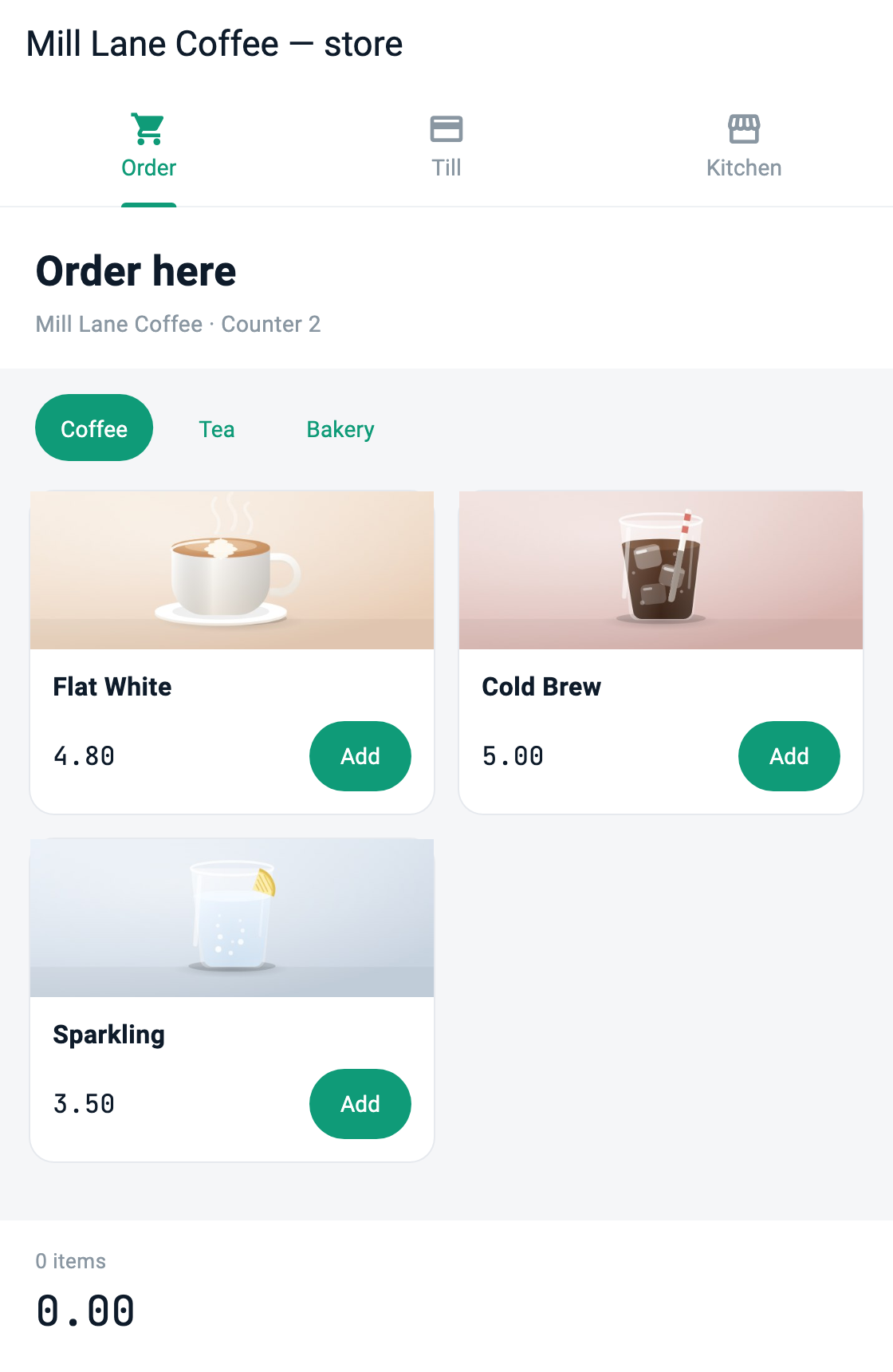
MEMBERS One server stood up beside the payment terminal already in the shop, with a tablet, a PC and a kitchen screen attached. No app was built for any of the three, and each became a kiosk, a POS and a kitchen display. The card authorisation path was not touched by a single line. Full code, run log, and the three screens exactly as rendered.
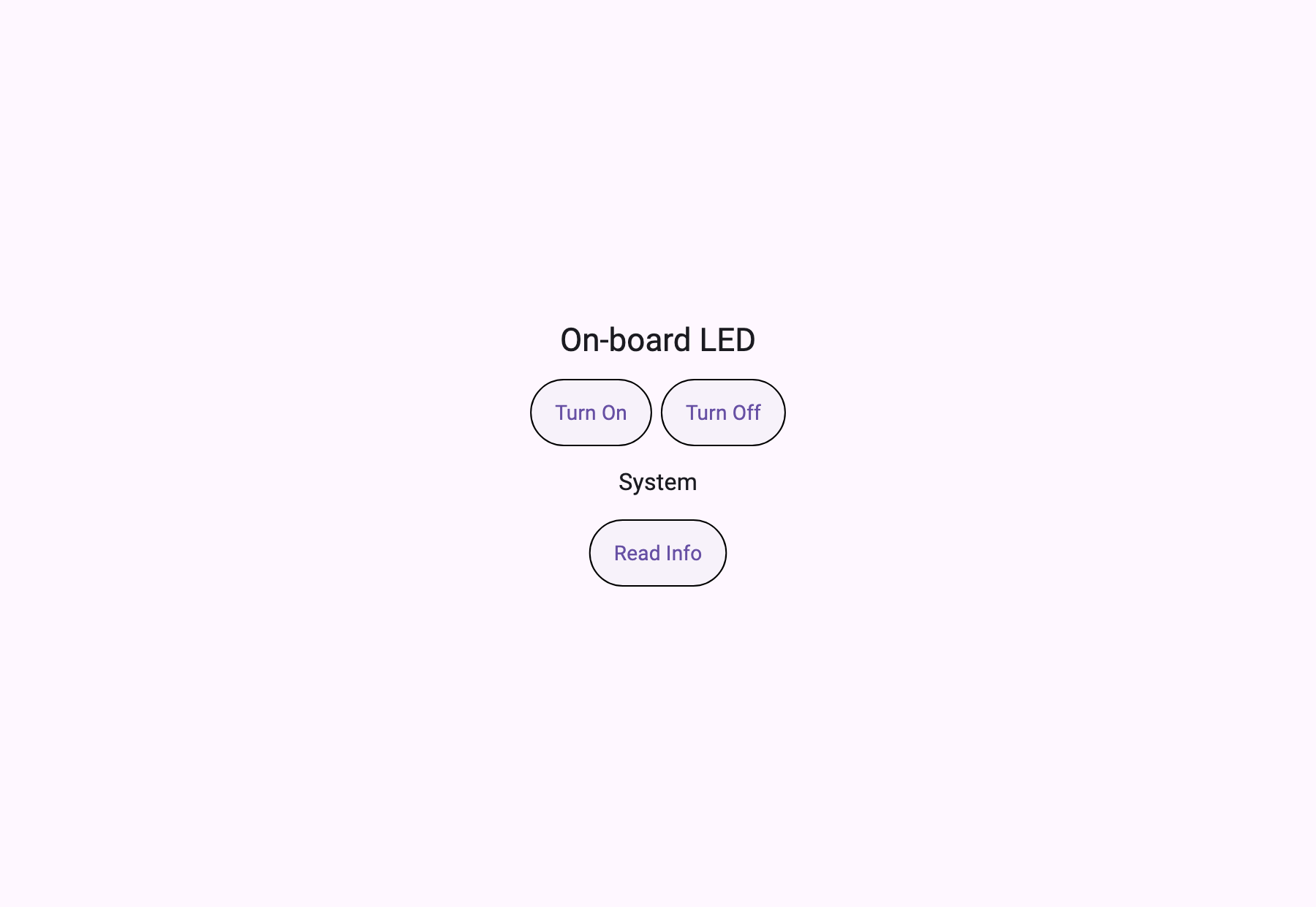
MEMBERS The STM32H723 over USB serial, the ESP32 discovered by mDNS and attached over Wi-Fi TCP. Each board hands over its own screen definition, and pressing a button turns a real LED on. The client code does not differ by a character between the two. No simulator — in this piece alone, verification fails without hardware.
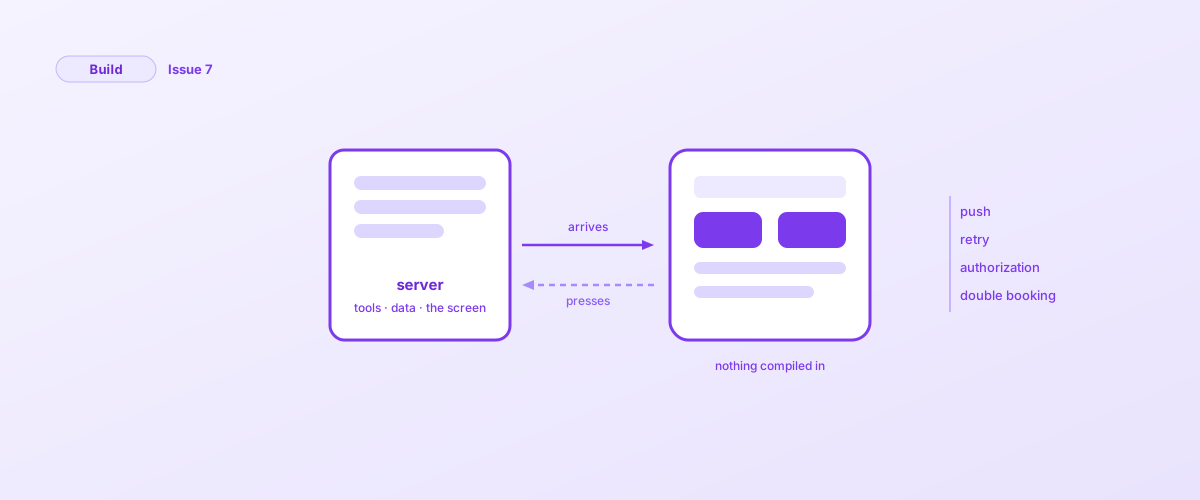
A server becoming an app does not mean putting every capability on a screen. What you never turn into a tool is the shape of that app, and its safety. We made that argument in 2026-04 and deferred it with "the next pieces will show you". This time we do not defer — that a capability absent from the tool list really cannot be reached is paid back in execution logs and a real board's answers.
Makemind.dev is a paid magazine + creator platform — essays, starter packs, consulting threads, sponsored deep-dives. Members get everything; the magazine pays the writers.
Become a memberAppPlayer Pro is free, hosted, no card. Three minutes to your first app on macOS · Windows · iOS · Android · Linux.
Start with ProAppPlayer Studio is the integrated workbench — app builder, knowledge builder, ops, and everything you bring in. Free, no engineering degree required.
Open StudioMakemind Guild matches you with verified builders and crews. Tools, MCP servers, bundles, books, automation — anything that fits an AppPlayer stage.
Enter the Guild